


Picture this. A circle of Black women, some in power suits, others in headwraps and jeans, sharing stories that stretch from boardrooms to back porches. Laughter mixes with strategy. One sister vents about the latest funding rejection. Another offers her network. A third reminds everyone of the ancestors who did more with less. In that moment, the noise outside fades. No algorithm pushing division. No headline calling us angry or competitive. Just us, building what the world tries to tear down. I need this to be a reality for every Black woman in America.
That is Black sisterhood. Not a hashtag or a feel-good moment, but the real deal. It is the quiet force that has kept our communities standing when every system said we should fall. From the auction block to the app store, forces have worked overtime to split us. Colorism. Class lines. Stereotypes that paint us as rivals instead of allies. Social media feeds that turn honest conversations into gender wars for clicks. These are not accidents. They are tactics refined over centuries to weaken the one group that has always shown up for the collective. So it’s time for Black woman to start showing up for ourselves.
Right now the stakes feel higher than ever. Black women still navigate wage gaps, healthcare disparities, and funding deserts that force too many of us to bootstrap alone. Only 17 percent of Black women entrepreneurs secure traditional bank loans. Many turn to credit cards or personal savings just to keep the lights on. Isolation feels safer sometimes. Go solo, protect your peace, let everyone else figure it out. But that path plays into the oldest playbook in the book. Divide the women, fracture the family, stall the progress. When Black women stand apart, entire neighborhoods lose their strongest advocates, businesses lose their boldest founders, and movements lose their backbone.
This article is for every sister who has felt the pull to withdraw and every one who knows deep down that our greatest strength has always been each other. Black sisterhood is not soft. It is strategic. It is the reason we have outpaced every other group in business creation rates while still showing up at the polls in numbers that shift elections. It is the thread that connects clubwomen of the 1890s to Zoom circles of today. And in a world that profits from our separation, reclaiming it might be the most radical move we make.
Culture, business, and everything in between — delivered straight to you. Join the BFA Collective Newsletter.
The Historical Roots That Bind Us
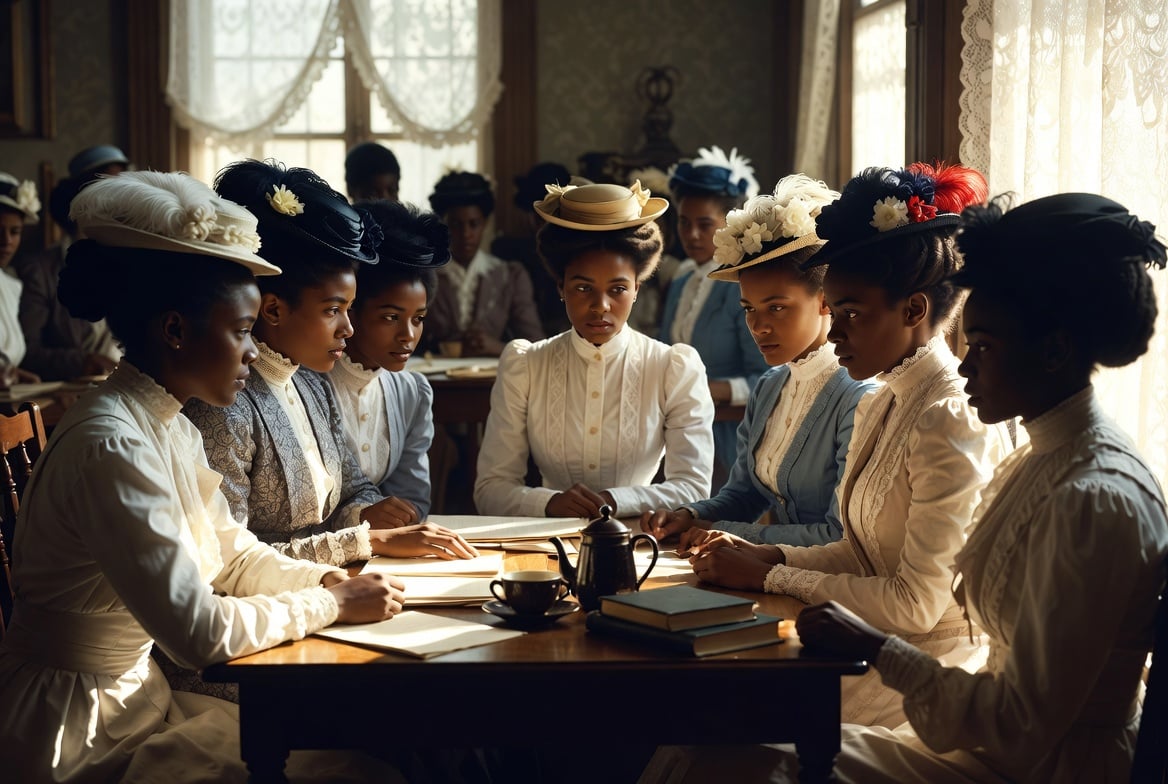
Black sisterhood did not begin with hashtags or group chats. It was forged in necessity. In 1896, leaders like Mary Church Terrell, Ida B. Wells-Barnett, and Harriet Tubman helped birth the National Association of Colored Women. Their motto said it plain: Lifting as We Climb. The organization grew into the largest network of Black women’s clubs in the country. They fought lynching, opened kindergartens, pushed for job training, and demanded the vote for everyone. They understood that no one rises alone. When one sister gained ground, she reached back. That same spirit carried through the Combahee River Collective in Boston. In April 1977 these Black feminists, many of them lesbians, released a statement that named interlocking oppressions, racism, sexism, class, and homophobia, and refused to pick one over the others. Their work showed that true solidarity starts with seeing each other fully.
Understanding the Divide-and-Conquer Tactics
The playbook is old. Slave owners pitted field hands against house workers, light skin against dark, to stop rebellion. Later came the controlling images, the welfare queen, the Sapphire who is too loud, too angry, too much. Media and politics kept refining the script. Today algorithms do the heavy lifting. Scroll long enough and you will see Black women cast as the problem in every direction. Too independent. Too emotional. Too competitive with our brothers. These narratives do not just entertain. They isolate. They make mutual aid feel risky and collective action feel outdated. When we buy into the noise, we hand power back to the very systems designed to keep us small.
Sisterhood in the Boardroom and Beyond
Look at the numbers and the pattern is clear. Black women owned 2.02 million businesses in 2024, making up 14 percent of all women-owned firms in the country. Those firms generate $118.7 billion in revenue and employ hundreds of thousands. The growth did not happen in isolation. It happened in sister circles, mentorship programs, and informal networks where one founder shares her accountant, another introduces a supplier, and a third cheers through the first big contract. Divine Nine sororities, Alpha Kappa Alpha, Delta Sigma Theta, Zeta Phi Beta, and Sigma Gamma Rho, have turned campus bonds into lifelong pipelines for capital, contracts, and counsel. When one soror wins, the whole line eats. That is not coincidence. That is sisterhood with receipts.
Circles of Healing and Activism Today
On October 25, 1997, an estimated 750,000 Black women gathered on Benjamin Franklin Parkway in Philadelphia for the Million Woman March. Grassroots organizers Phile Chionesu and Asia Coney pulled it off with little corporate backing. Women came from every corner, pushing strollers, waving signs, sharing stories about AIDS, abuse, education, and economic power. No single celebrity carried the day. The collective energy did. That same spirit lives in modern sister circles, whether virtual accountability groups that help members launch businesses or local meetups that organize community gardens and voter drives. Black women still post the highest consistent voter turnout among demographic groups when we feel connected and seen. Sisterhood turns individual voices into a roar.
Cultivating Sisterhood for Generations to Come
The work is daily. It looks like choosing collaboration over comparison. It means checking the impulse to tear down another sister for likes. It means showing up with resources, not just vibes. Start small. Host a monthly dinner where everyone brings one skill to teach. Join or create a professional circle that actually shares opportunities. Mentor without gatekeeping. Celebrate wins loudly. The payoff compounds. Stronger businesses. Healthier families. Louder political power. A culture that remembers we were never meant to do this alone.
What does Black sisterhood actually mean in practice?
It means choosing each other daily, sharing knowledge, capital, and emotional labor without keeping score. Read our deep dive on how everyday sister circles are quietly building generational wealth.
How have divide-and-conquer tactics shown up throughout Black history?
From slavery-era wedges to modern media stereotypes and social media feuds, the goal has always been the same: keep us fragmented so we cannot organize. Explore the full history in our piece on controlling images and their lasting impact.
Can sisterhood really drive business success for Black women?
Absolutely. Networks built on trust have fueled the fastest-growing segment of women-owned businesses in America. See the numbers and the stories in our feature on Black women entrepreneurs who lifted as they climbed.
Can sisterhood really drive business success for Black women?
Absolutely. Networks built on trust have fueled the fastest-growing segment of women-owned businesses in America. See the numbers and the stories in our feature on Black women entrepreneurs who lifted as they climbed.
How do I start building stronger sisterhood in my own life and community?
Begin with intention. Create space for honest conversation, share resources, and commit to showing up. Our guide to starting your own sister circle walks you through practical first steps.
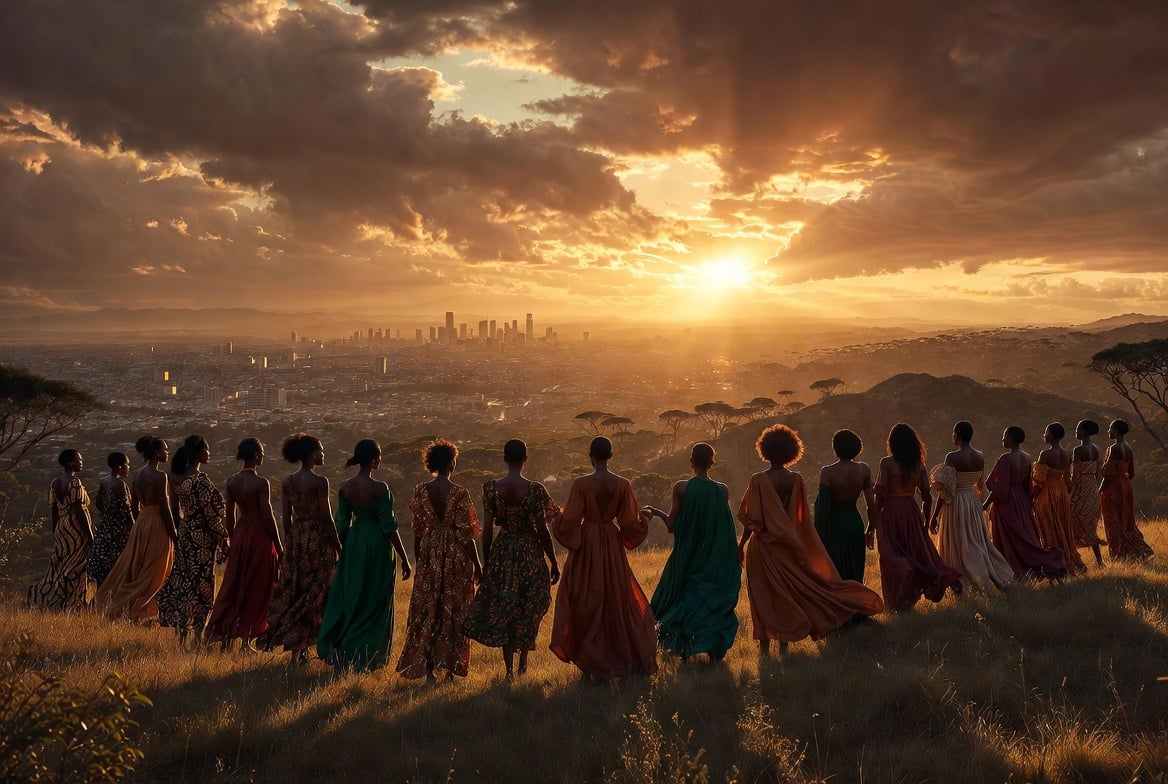
Black sisterhood is not a luxury. It is the infrastructure that holds our culture, our businesses, and our futures together. In a world still betting on our division, choosing unity is how we win. Every time.
Don’t miss the next deep dive. Join the BFA Collective today.
Reader’s Favorites:
- Empire-Building From Zero: The Resilience of the Self-Made Black Founder
- How to Fix Prickly Body Hair Without Expensive Laser Clinics
- Beyond the Talk: Nurturing Conscious Kids in an Unfiltered World
- The Black Laugh Is Not Just Funny; It Is Our Fortress
- More Than Just Brunch: Why Reclaiming Our “Third Place” is the Next Wellness Revolution