

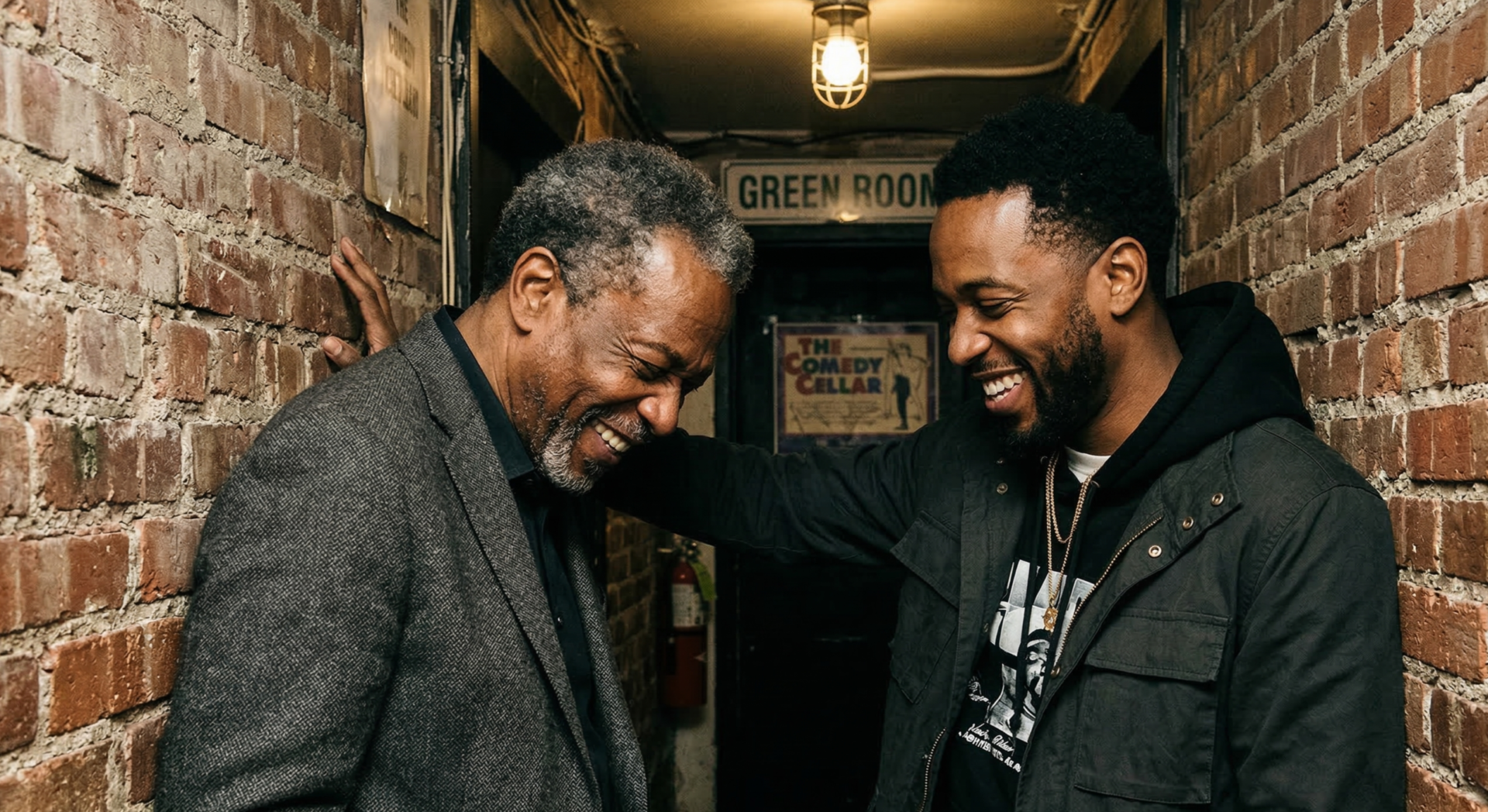
When the pressure seems relentless, there is a specific, resonant sound that bubbles up in our spaces. It starts deep, ripples outward, and often ends in a shared release of tension. This is the Black laugh, a rich and complex response to life’s absurdities and its sharpest edges. Think about the last time you found yourself doubled over, unable to catch your breath, surrounded by people who understood the joke without a single explanation being spoken. That moment was more than humor; it was a profound act of preservation. In a world that frequently feels exhausting, Black laughter serves as a foundational element of our collective resilience. We create spaces where joy can thrive because we intuitively understand that joy is a serious business.
Culturally, we navigate a spectrum of challenges, from microaggressions in the workplace to systemic inequities that dominate the news cycle. These pressures create a weight, an accumulating stress that must find an exit. This is where laughter transforms from simple amusement into a powerful survival tool. It is an intentional act of resistance, refusing to let external circumstances dictate our internal peace. This resilience is not passive; it is an active, joyful refusal to be defeated by negativity.
Yet, recognizing the power of our joy does not mean we are not serious people. It means we understand that enduring joy requires cultivation and protection. Black laughter allows us to breathe when we are held tight, to speak truths that might otherwise be too heavy to articulate, and to find kinship in our shared observations of the absurd. This enduring spirit, this ability to find light even in shadow, is precisely what fuels our culture and our communities. For those seeking deeper connections to culture, business, and everything in between, the BFA Collective Newsletter delivers. Join us.
Culture, business, and everything in between — delivered straight to you. Join the BFA Collective Newsletter.
The Sound of Survival: Laughter as Resistance
For centuries, laughter has been an essential mechanism for traversing challenging terrain. When joy is consistently framed as unexpected or even defiant, expressing it becomes a quiet, powerful form of protest. Our humor has often had to serve a dual purpose: providing genuine relief while also subtly critiquing the structures we navigate. From the pointed satire in 19th-century folklore to the biting social commentary prevalent in modern stand-up, Black comedy has always held up a mirror to society.
This laughter does not deny pain; it simply refuses to let pain have the final word. It transforms suffering into shared understanding. In a room full of Black laughter, isolation evaporates. You are surrounded by a chorus that says, “I see you. I get it.” This immediate sense of belonging is vital. It strengthens us to return to spaces that may not inherently value our presence. That shared laugh builds a psychic armor that helps us continue moving forward.
Joy Is Not Just a Feeling; It Is an Act of Reclaiming
There is a long history of joy being stolen or regulated. Historically, expressing happiness was seen as trivial or inappropriate during periods of profound struggle. But we have always known that claiming joy is itself an act of agency. When we laugh freely and authentically, we are claiming space and ownership over our emotional landscape. We are declaring that our well-being is non-negotiable, regardless of outside perceptions.
Think of the way specific humor can instantly ground you in your community, even when miles away from where you grew up. A simple joke about a shared experience can evoke the comfort of home or the familiarity of family. In our digital spaces, this manifests as viral memes that capture specific nuances of Black life with such accuracy that they resonate universally within the culture. This digital laughter creates virtual spaces of safety and connection, providing moments of reclaiming joy that are both personal and communal.
The Science of Release and Community Wellness
Beyond cultural significance, the act of laughter has tangible physical and psychological benefits. A robust belly laugh reduces stress hormones like cortisol and epinephrine. It boosts immune function and releases endorphins, the body’s natural feel-good chemicals. Given the physiological toll of navigating prejudice and systemic stress—a phenomenon sometimes called weathering—these moments of release are essential for our long-term wellness. Laughter is a accessible and necessary tool for maintaining mental health.
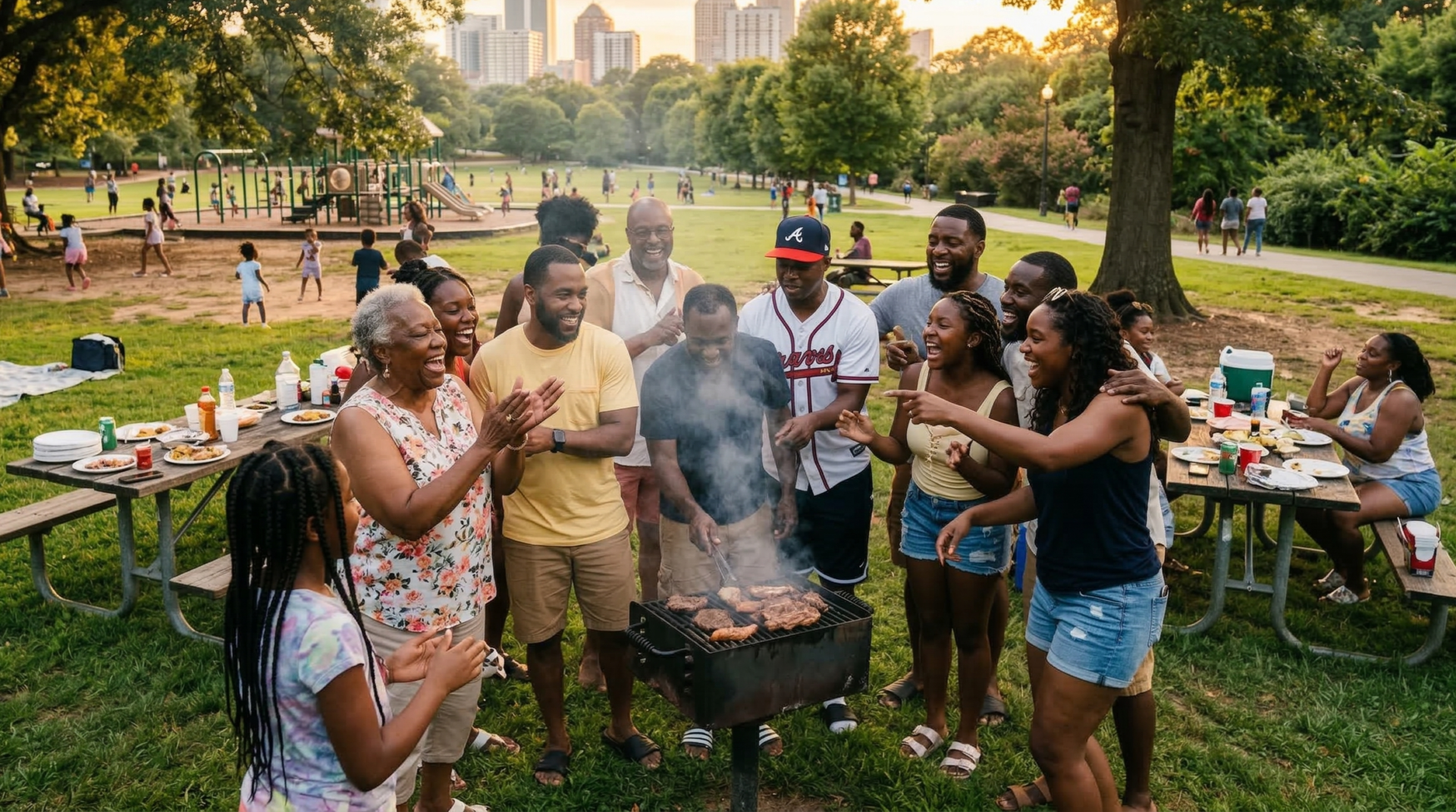
Furthermore, the communal aspect of Black laughter magnifies these effects. Laughing together strengthens social bonds. It’s a literal, physiological synchronizing of our responses that fosters deeper trust and connection within groups. Our communities have long understood that collective joy is a form of collective healing, a necessary balm for the abrasions that sometimes come with existing in the world.
Cultivating This Space: Why Our Joy Deserves Protection
Given its vital role in our collective well-being, preserving and celebrating Black joy is not frivolous; it is a critical investment in our future. We must actively protect the spaces where this joy is allowed to exist without filter or performance. These spaces—whether in our homes, with our closest circles, or in media that truly sees us—are essential sanctuaries.
Supporting platforms, comedians, creators, and businesses that center authentic Black joy ensures that this powerful cultural asset continues to thrive. When we cultivate joy, we cultivate resilience, creativity, and the power to keep building, dreaming, and achieving. We are reminding ourselves of our capacity to flourish, not just survive.

Why is Black joy a significant cultural conversation right now?
Black joy is crucial as it challenges dominant, often negative narratives, asserting that our lives are rich and complete beyond hardship. It shifts focus from purely surviving to intentionally thriving, emphasizing resilience and celebration. Learn more about embracing this perspective in our article on How to Manifest Joy Daily.
What is the connection between Black culture and humor as a coping mechanism?
Historically and presently, humor allows Black communities to find relief and connection while navigating complex societal dynamics. It’s a strategic tool for processing, critiquing, and reclaiming emotional agency. Dive deeper into this history with From Folklore to Reels: The Evolution of Black Comedy.
How does systemic stress impact the need for communal joy within Black communities?
Navigating bias and prejudice imposes a significant cumulative stress on marginalized groups. Shared joy provides an essential biological and emotional release, acting as a buffer against this pressure and reinforcing community ties. Explore strategies for prioritized well-being in 5 Wellness Practices for Navigating Modern Challenges.
In what ways can companies authentically support and celebrate Black joy?
Brands can support Black joy by authentically representation in their marketing year-round, investing directly in Black creatives and communities, and fostering inclusive environments within their organizations. Authentic support means celebrating success and creativity, not just addressing challenges. See how forward-thinking brands are doing this in The New Standard of Brand Authenticity.
Don’t Miss the Next Deep Dive. Join the BFA Collective Today.
Reader’s Favorites:
- Empire-Building From Zero: The Resilience of the Self-Made Black Founder
- How to Fix Prickly Body Hair Without Expensive Laser Clinics
- Beyond the Talk: Nurturing Conscious Kids in an Unfiltered World
- The Black Laugh Is Not Just Funny; It Is Our Fortress
- More Than Just Brunch: Why Reclaiming Our “Third Place” is the Next Wellness Revolution