

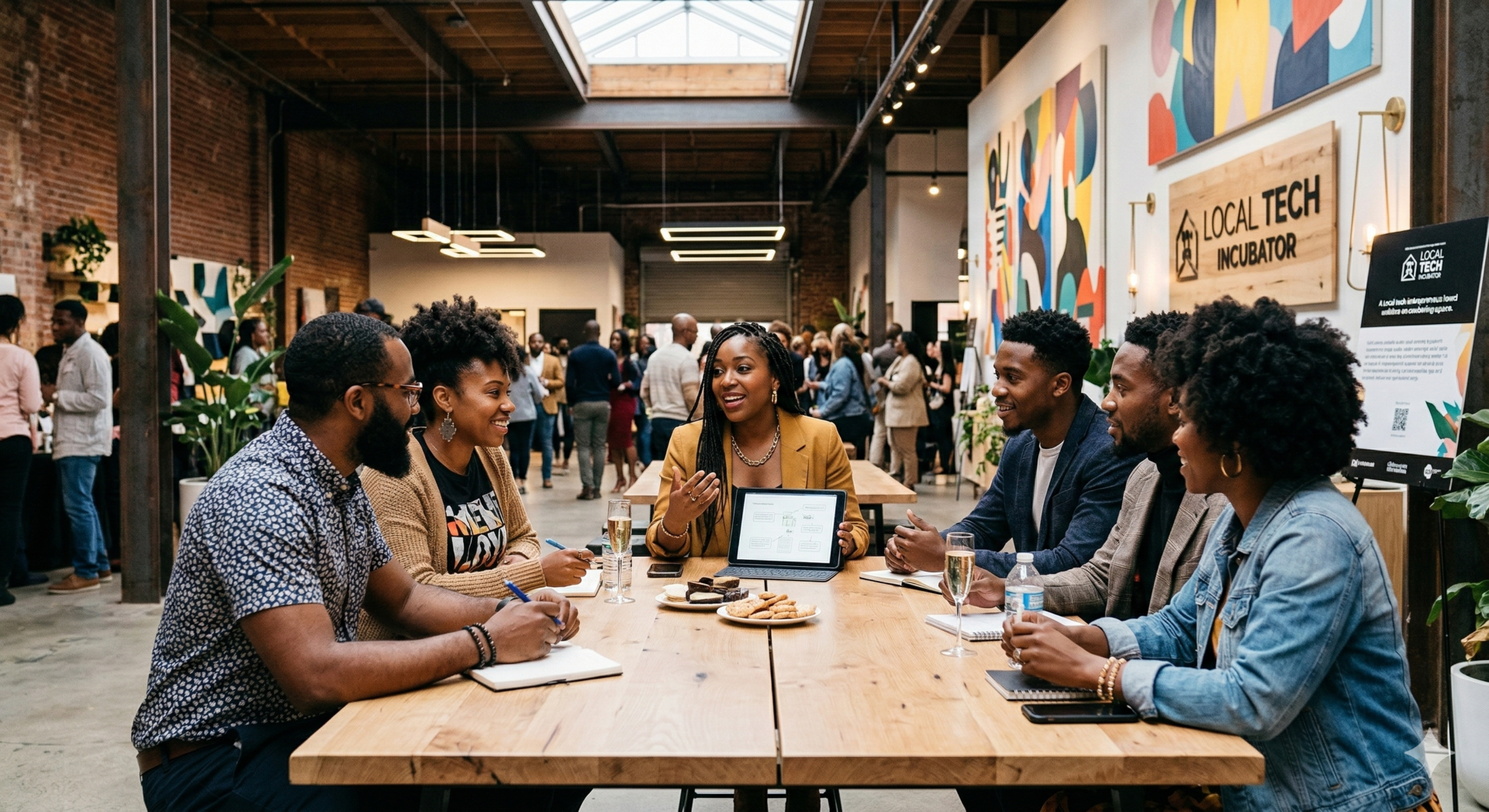
Let’s be real. When was the last time you felt you could truly just exist? No cell phones. No fear of judgment. When were you not “the only one in the room,” not managing a complex project, not navigating the subtle complexities of code-switching, and not answering to the relentless ping of Slack notifications? If you are a Black person navigating 2026, the odds are high that the answer is: not recently. This has got to change. For decades, we have defined our success by our work ethic or ‘hustle culture’ (the “first place”) or perhaps our home life (the “second place”). But there is an entire dimension of our well-being we have collectively neglected, a silent void that leaves us feeling profoundly disconnected, even when our calendars are full. This is not about another networking event or a fancy dinner reservation. This is about survival. This is about revival. This is about understanding the crucial role of the “third place” in Black mental and cultural preservation.
The concept is surprisingly simple, but its absence is a complex problem. Our lives have become increasingly compressed. The rigid demands of corporate ambition, combined with the rising emotional labor of the home, have effectively squeezed out the space in between. The “third place” is that physical, neutral ground where you can gather, relax, and connect on your own terms. For Black people, this tension is magnified. We deal with the relentless invisible tax of visibility in predominately white spaces, and the assumption that our domestic spheres must always be private sanctuaries (they often are, but they are also sites of responsibility). The space that should be our rest stop, our zone of safety, and our playground is often missing entirely. We have normalized the grind and normalized the exhaustion. But that void—that feeling of being “on” 20 hours a day—is the cultural tension we are ignoring. Reclaiming that space is where the answer lives.
Culture, business, and everything in between — delivered straight to you. Join the BFA Collective Newsletter.
Decoding the “Third Place” Concept
The idea of the “third place” was first introduced in the late 1980s by sociologist Ray Oldenburg. His definition was elegant and clear: it is a location outside of home (the first place) and work (the second place) that serves as the “great good place.” A classic third place is not just about the amenity; it’s defined by how it feels. It has essential characteristics. First, it must be neutral ground—a space where people feel welcome to enter and leave at will, with no obligation. It should also be a leveler. Status is irrelevant here. Whether you are a multi-million-dollar tech founder or a barista, the conversations and connections should be authentic and horizontal. Above all, conversation is the main activity. In a true third place, people aren’t rushing. They are lingering, debating, laughing, and sharing. It feels like a living room away from home.
The Specific Tax of Not Having One
For Black folks, the lack of a reliable third place is not just an inconvenience. It directly compounds the fatigue we already carry. When the only places you exist are high-stakes environments—like your job, where you might be navigating performance pressure or microaggressions, or your home, where you are a parent, partner, or provider—you are effectively on a never-ending cycle of performance. You have no space to put the armor down. In spaces where we are the minority, we subconsciously manage how we speak, how we present, and how we take up space. This emotional labor takes a toll. The missing third place means we never experience the mental rest of simply being.
We Invented It, They Codified It
While the academic definition might seem recent, we have actually been building powerful third places for generations. We didn’t need a sociology degree to know that safe gathering spaces were essential for our physical and cultural survival. The Black barbershop and beauty salon are iconic examples. They are original third places—hubs of community news, mentorship, debate, and unfiltered joy. So was the local jazz cafe. Consider the history of the Green Book, established in 1936, which explicitly documented the specific locations where Black travelers could find these vital spaces during segregation. These places weren’t just functional. They were life-sustaining sanctuaries that protected our humanity.
Breaking Free from Digital Dependence
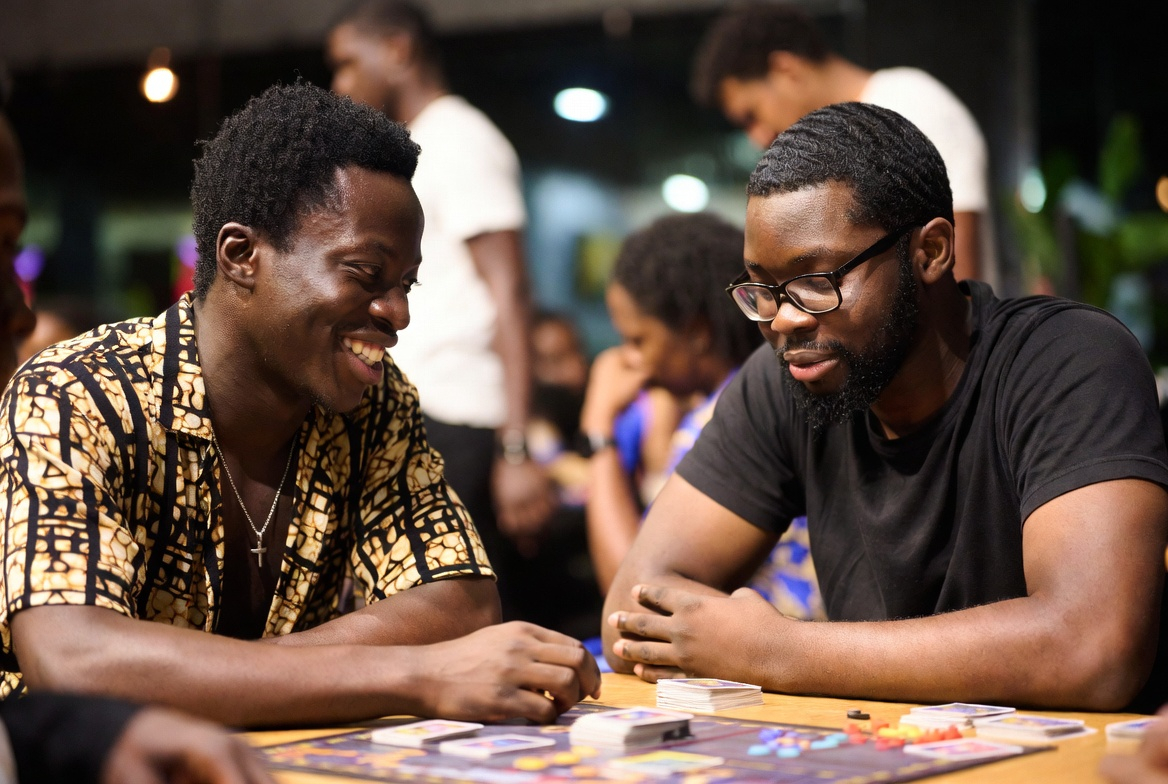
Today, we face a new kind of fragmentation. When we feel that emptiness, we often turn to the closest, most efficient substitute: social media. We find our community on Black Twitter, in niche Facebook groups, or via our Instagram Group Chats. While these digital hubs are vital sources of information and connection, they are not a substitute for a true third place. The physical dimension matters. Online spaces, as helpful as they are, often keep us separated from physical, tactile interaction. Furthermore, those platforms are still commercial spaces governed by algorithms and performance metrics. They are often less a “neutral ground” and more a “second place” where we are either working (personal brand building) or fighting (debating issues). They do not offer the effortless, low-stakes rest of a physical gathering spot.
Cultivating Your New Sanctuary
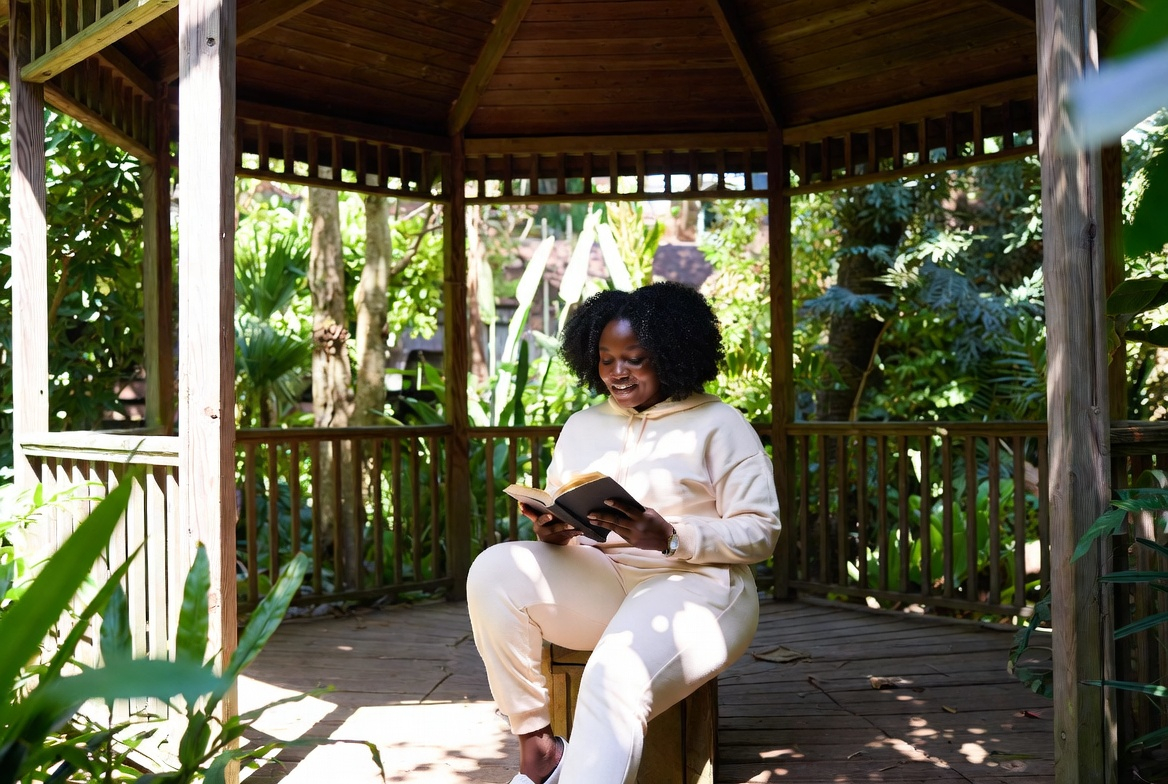
Reclaiming your third place does not require spending significant money or traveling far. It’s about being intentional. First, identify what you need. Are you craving a space of absolute quiet or a hub of intellectual conversation? Look for spaces that align with that need, even if they aren’t explicitly advertised as “hangout spots.” This could be an Afrobeats yoga studio, a Black-owned bookstore with a robust events schedule, or a specific neighborhood coffee shop that’s known as a consistent local fixture rather than just a drive-through. When you find it, commit. The power of the third place is in showing up. Become a regular. Get to know the baristas, the other patrons. Invest the time (not just money) into that relationship, and that space will pay dividends in peace.
What are examples of specific Black third places?
Third places vary, but common modern examples include Black-owned bookstores (like Uncle Bobbie’s or MahoganyBooks), specific community recreation centers or YMCA lounges, cultural museums with public cafes, jazz lounges, and even local barbershops/salons that act as authentic conversation hubs. They are defined by their welcoming, low-stakes, and consistent community vibe.
Is social media considered a third place?
Generally, no. While social media platforms like Black Twitter are crucial for networking and finding community, they lack the key characteristics of a “true” third place: a physical, neutral ground. Digital platforms are often more high-stakes (you are always “on” or performing your persona) and isolated from tangible, real-life connection. A physical third place provides a different quality of rest and authentic interaction.
Why are third places disappearing in Black communities?
Gentrification is the primary factor. As neighborhood demographics and economic structures shift, the locally owned businesses and non-profit centers that traditionally served as affordable, consistent third places are often displaced. Rising rents and commercial development frequently replace legacy hubs with spaces targeted toward more affluent, disconnected populations, erasing vital spaces of cultural continuity and affordability.
How do third places affect mental health for Black adults?
Third places are critical for preventing isolation and reducing chronic stress. Having a sanctuary away from the demands of work and home allows for cognitive rest. For Black adults, this is crucial: it provides a physical space where we do not have to “manage” our identities or manage others’ perceptions. These spaces foster a vital sense of belonging, purpose, and relaxation that directly counteracts burnout and anxiety.
The Bottom Line
The third place isn’t just about grabbing a latte. It is a vital sanctuary where we lay down our burdens, connect with our tribe, and remember who we are when nobody is asking for anything. When we reclaim these spaces, we prioritize our joy and our sanity, ensuring we have the fuel to thrive in all the other “places” we must exist.
Don’t miss the next deep dive. Join the BFA Collective today.
Reader’s Favorites:
- Empire-Building From Zero: The Resilience of the Self-Made Black Founder
- How to Fix Prickly Body Hair Without Expensive Laser Clinics
- Beyond the Talk: Nurturing Conscious Kids in an Unfiltered World
- The Black Laugh Is Not Just Funny; It Is Our Fortress
- More Than Just Brunch: Why Reclaiming Our “Third Place” is the Next Wellness Revolution