

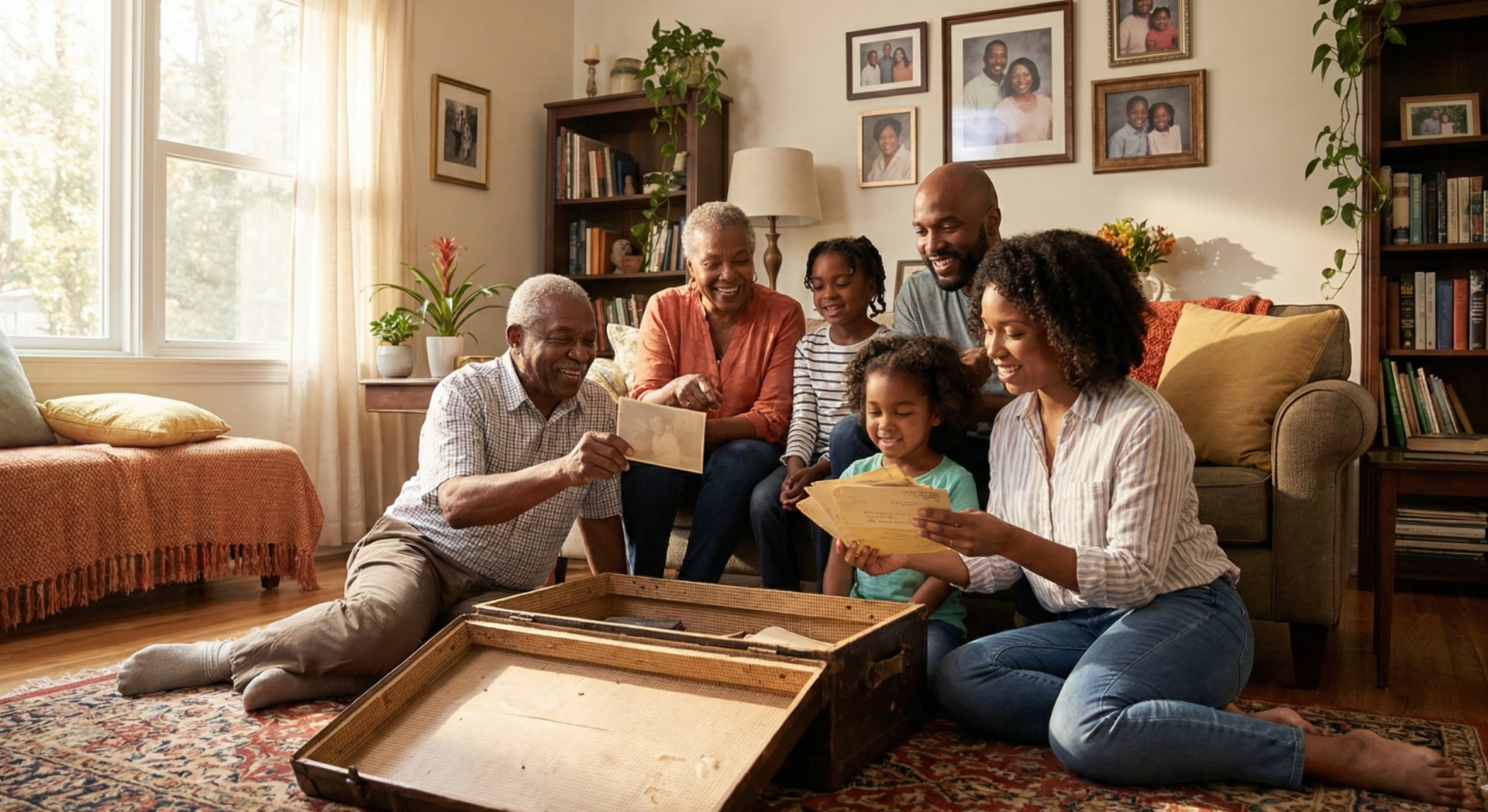
Imagine history class in tenth grade. The teacher spends weeks on the Civil Rights Movement, the March on Washington, the Montgomery Bus Boycott. Names like Martin Luther King Jr. fill the board. Speeches echo in black-and-white footage. Struggle is the headline. Resistance is the plot. Love? Barely a footnote, if mentioned at all. I completed my entire high school career and was never taught Black love.
Yet behind every march, every sermon, every risked life stood partnerships built on private words. Letters that carried longing across jail cells, battlefields, and decades of separation. Black love has always existed in the margins, tender, defiant, and rarely taught. But why? School told us about oppression. It rarely showed us the intimate ways we chose each other anyway. In 2026, Black love is rebellion.
During slavery and Reconstruction, when marriage was illegal or fragile, people still wrote vows on scraps of paper. One couple, James Hughes and Mary Rebecca Lee, exchanged letters in the chaotic years after the Civil War. In 1860s Virginia, amid violence and uncertainty, James wrote Mary an offer of his heart. They married, built a life, raised children whose descendants preserved those pages until the Smithsonian acquired them in 2016 for the National Museum of African American History and Culture. That survival alone says something about what Black love carries forward.
Fast forward to the 1950s. A young minister in Boston writes to the singer he is courting. In July 1952, Martin Luther King Jr. penned to Coretta Scott: “My life without you is like a year without a spring time which comes to give illumination and heat to the atmosphere which has been saturated by the dark cold breeze of winter.” He compared himself to a king without a throne if he could not reign beside her. They wed the next year. The world knows the leader. Fewer know the husband who missed her so deeply it hurt.
These are not anomalies. From enslaved Texas wife writing to her husband Norfleet in 1862 while he served as a Confederate officer’s attendant, worrying over his safety, to Rebecca Primus and Addie Brown exchanging passionate correspondence in the 1850s and 60s that blurred friendship and romance — Black people have always found ways to express devotion despite the odds.
Culture, business, and everything in between — delivered straight to you. Join the BFA Collective Newsletter.
The Quiet Power of Paper in Hard Times
Letters were lifelines. During enslavement, when families were torn apart, written words became proof that someone still cared. A woman in Texas, separated from Norfleet by war duties, poured worry and affection onto the page in December 1862. She asked about his health, sent news of home, reminded him he was loved. That act — putting love into ink when everything else was controlled — was resistance.
When Icons Were Just People in Love
Martin and Coretta’s early letters reveal a man who was brilliant but human. He admitted her absence left him frustrated, incomplete. Coretta, a trained musician with her own ambitions, chose partnership with someone whose calling would demand everything. Their love sustained the movement. It also reminds us that giants need tenderness too.
Forgotten Romances That Shaped Generations
Take James and Mary Hughes. Their Reconstruction-era exchange led to marriage, land ownership, and a family line that endured. Or Rebecca Primus, a teacher who traveled North, and Addie Brown, whose letters from Hartford and Royal Oak show deep emotional intimacy. These stories rarely make textbooks, yet they prove Black love built futures amid chaos.
Love as Legacy
Collections like A Love No Less: Two Centuries of African American Love Letters gather dozens of such correspondences. They span from the 1800s to modern times, showing consistency: Black people wrote love boldly, even when the world tried to erase it. Anthologies like Black Love Letters continue that tradition today, with contemporary voices writing to ancestors, partners, and selves.
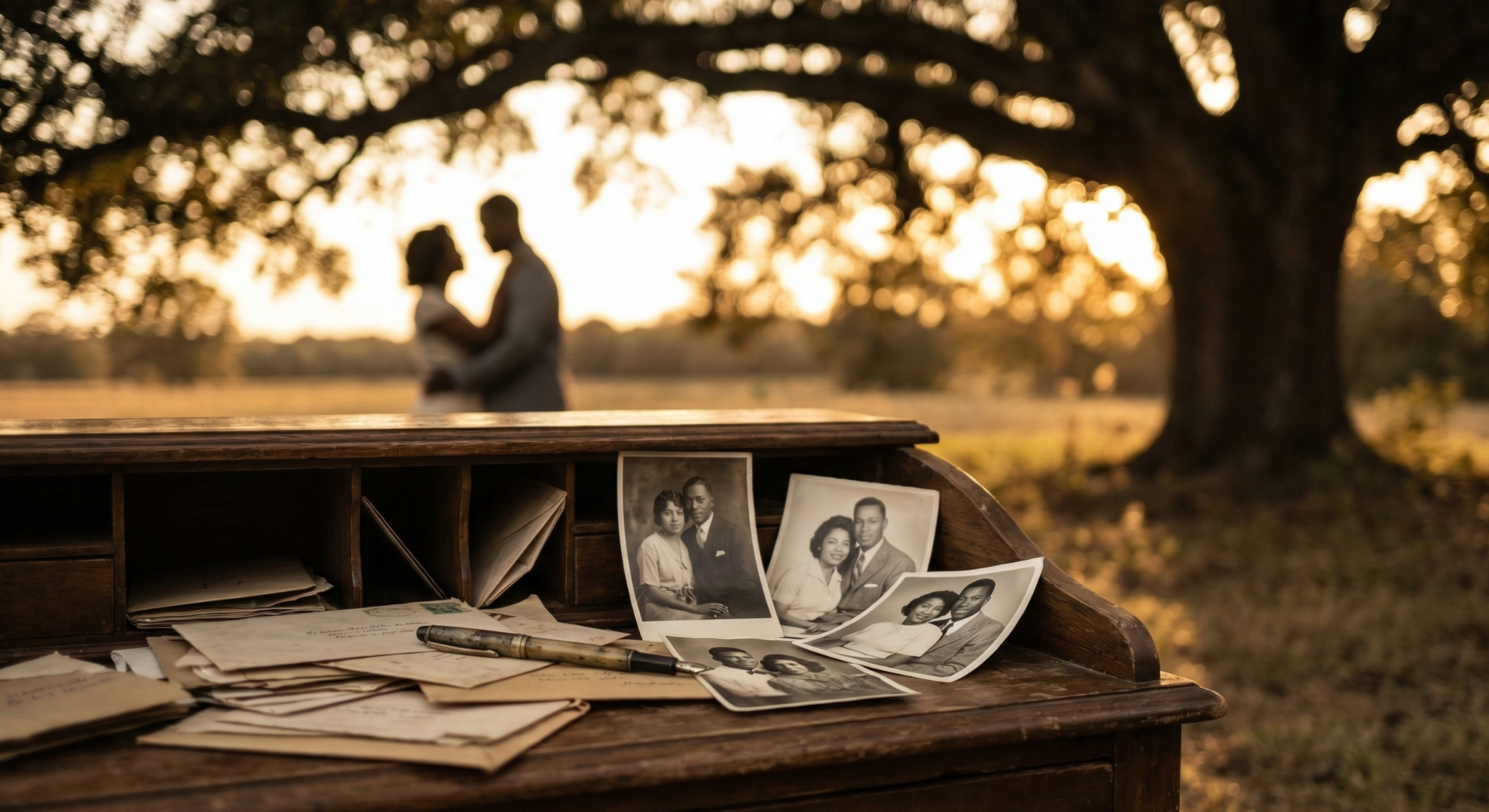
Why Did Schools Skip These Stories?
Textbooks prioritize dates and legislation over emotion. But Black love letters show how personal bonds fueled larger change. They humanize history. They prove joy persisted.
What Makes Black Love Letters Different from Others?
They carry extra weight — written against laws banning marriage, during separations by sale or migration, under surveillance. Yet the language stays warm, hopeful, committed.
Where Can I Find More Black Love Letters Online?
Archives like the Smithsonian and university collections digitize many. Books such as A Love No Less compile them for easy reading. Start there for primary sources.
How Did Historical Black Couples Stay Connected Through Letters?
Distance, enslavement, and migration forced reliance on mail. Couples shared daily life, dreams, fears — keeping bonds alive when physical presence was impossible.
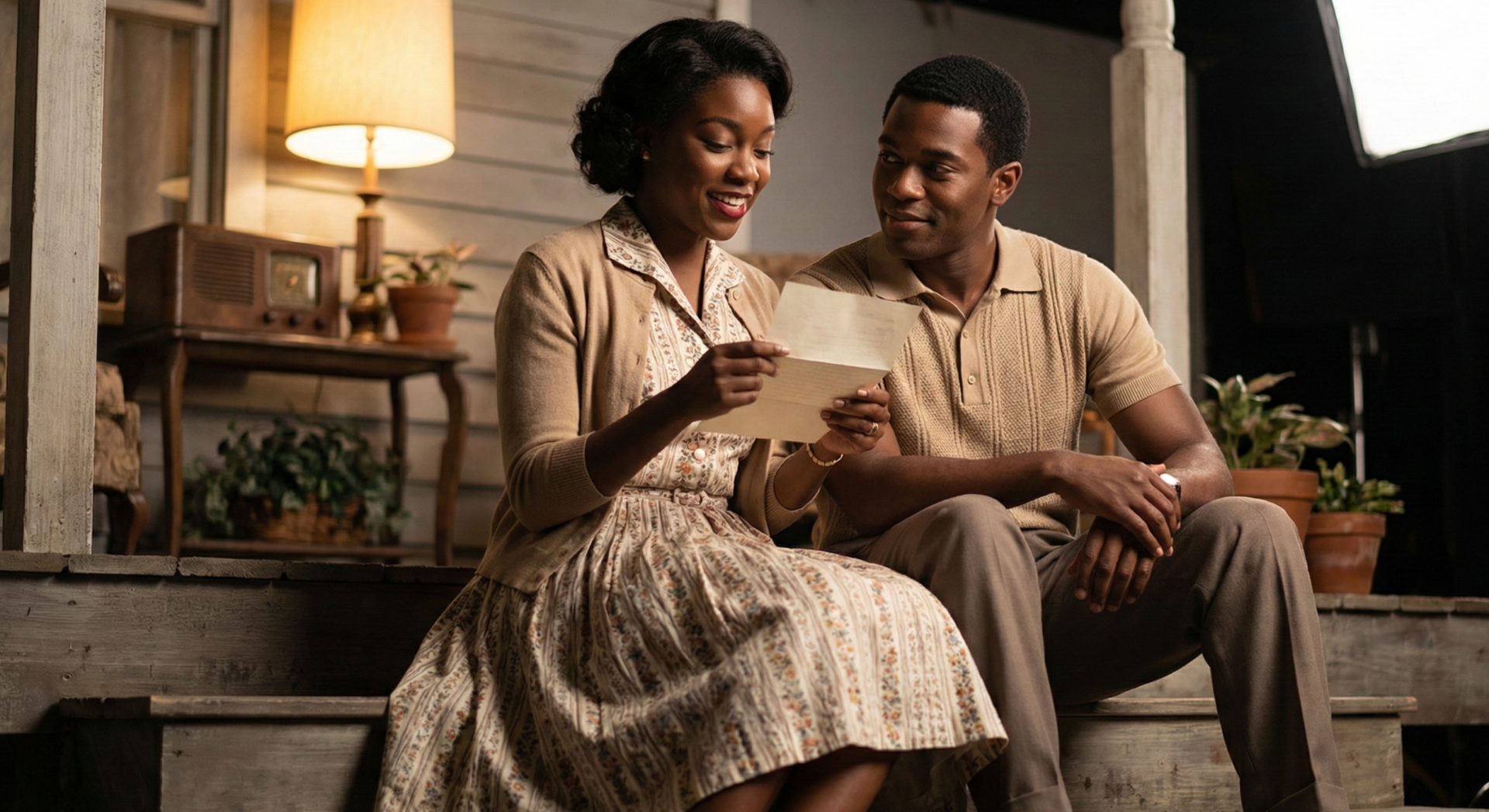
Are There Modern Books Collecting Black Love Letters?
Yes. Black Love Letters, edited by Cole Brown and Natalie Johnson with a foreword by John Legend, features contemporary figures writing letters of love to people, places, and ideas that shaped them.
Black love letters matter because they remind us that affection has always been our quiet rebellion. In a world that tried to strip us of family, we wrote love anyway. We preserved it. We passed it down. That endurance lives in every Black partnership today — proof that our capacity to love deeply is unbreakable.
Don’t miss the next deep dive. Join the BFA Collective today.
Reader’s Favorites:
- Empire-Building From Zero: The Resilience of the Self-Made Black Founder
- How to Fix Prickly Body Hair Without Expensive Laser Clinics
- Beyond the Talk: Nurturing Conscious Kids in an Unfiltered World
- The Black Laugh Is Not Just Funny; It Is Our Fortress
- More Than Just Brunch: Why Reclaiming Our “Third Place” is the Next Wellness Revolution