

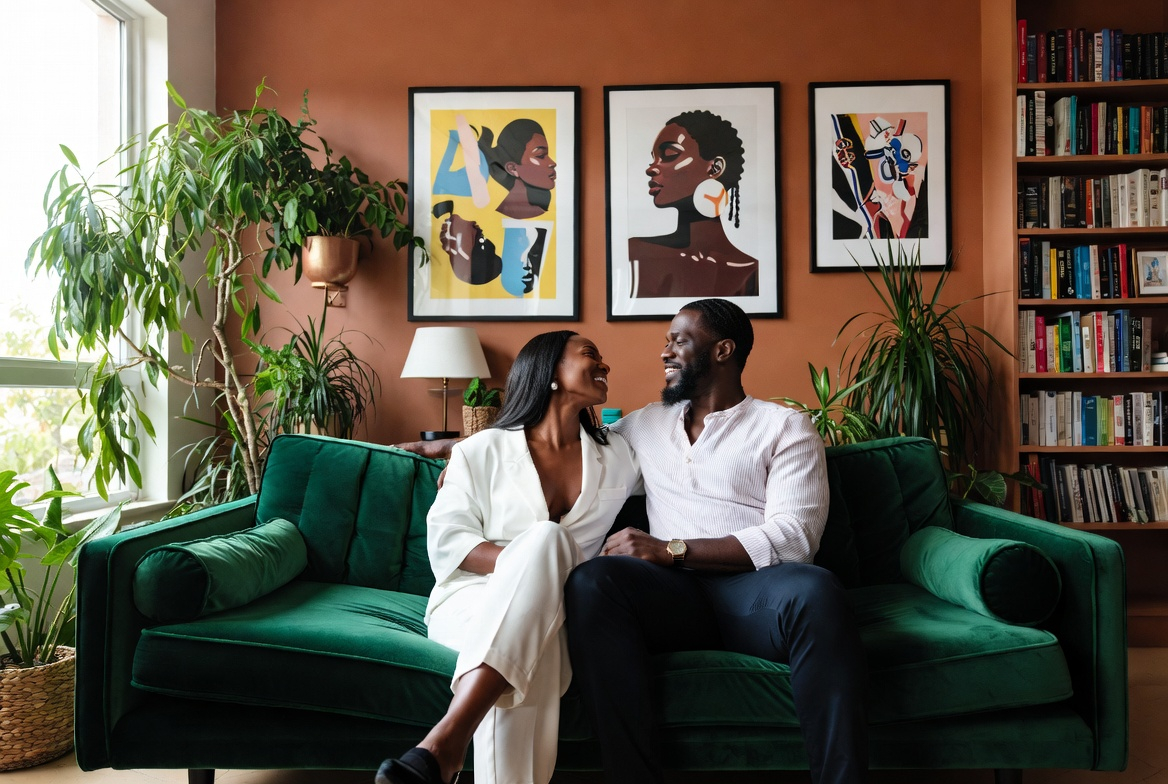
Walking through our front door should be more than a physical transition. It should be a profound sigh of relief. A release of armor we didn’t even realize we were wearing. This is your home. For Black people, home is not just an asset or a gallery for aesthetics. It is, and always has been, our primary act of self-preservation. This is where you go to recharge from what the world has depleted from you.
The world outside often demands hyper-vigilance. It’s loud, frequently exhausting, and systematically designed to minimize our presence or co-opt our energy. This doesn’t have to be the case inside your own home. To step into our own spaces, spaces curated entirely by us, and feel that pressure evaporate? That is the goal in 2026. But a home that functions as sanctuary doesn’t just happen. A generic space filled with fleeting, on-trend pieces from big-box stores won’t provide the cellular-level rest we are seeking. It takes intention. It demands cultural confidence. Your home should feel like love.
The tension lies in creating a space that looks like wealth and sophistication, while remaining a soft place to land. It is the balance of aspiration and authentic comfort. This isn’t about perfectly styled rooms we are afraid to touch. This is about building a foundation that recharges us for the next fight, the next joy, the next achievement. If you are reading this, you are ready to design your own soft landing.
Culture, business, and everything in between — delivered straight to you. Join the BFA Collective Newsletter.
Beyond the Open Concept: Function Dictating Form
For years, the open-concept home layout has been championed as the ultimate modern standard. But the assumption that a home needs no walls implies we have no need for containment or privacy. A true sanctuary considers how our families actually use space. It’s not just about one vast room.
We are communal. We gather, we debate, we eat, and we laugh loudly. Our spaces must support this. That might mean prioritization of a large dining table over a living area, specifically for hours-long conversations. Or, just as importantly, it might mean the hard refusal of an open floor plan in favor of dedicated, quiet rooms.
Think about the value of a closed library, a meditation corner, or a creative studio. The most important choice you can make is to design a floor plan around your specific needs for connection AND for retreat. This is not just architecture; it is the infrastructure for well-being.
The Ancestral Palette: Rooting in Richness
The sterile, gray-on-gray aesthetic that dominated interior design for a decade has felt hollow in our homes. Our cultural history is vibrant, grounded, and richly textured. Your home sanctuary should lean into that history rather than mask it.
Begin with colors that evoke warmth and grounding. Skip the builder-beige. Terracotta, deep mossy greens, burnt umber, mustard yellows, and ochre are pigments that resonate. These aren’t just trendy accents; they are hues that connect us to the earth and our roots. A 2021 color analysis actually noted a strong resurgence of these earthy, warm tones in modern luxury homes. They create an environment that feels enveloped and safe.
Textural richness is essential. Incorporate tactile elements like a heavy jute rug, polished dark wood, soft mudcloth, or hand-thrown ceramics. A leather sofa that breaks in and holds our shape. A home sanctuary must feel good to touch. It must absorb and reflect the textures that ground us.
Designing for the Soul: The Invisible Details
The final layer of sanctuary isn’t visible. It’s the elements that affect how a space makes us feel on a deeper level. This is where we prioritize tranquility and sensory comfort above all.
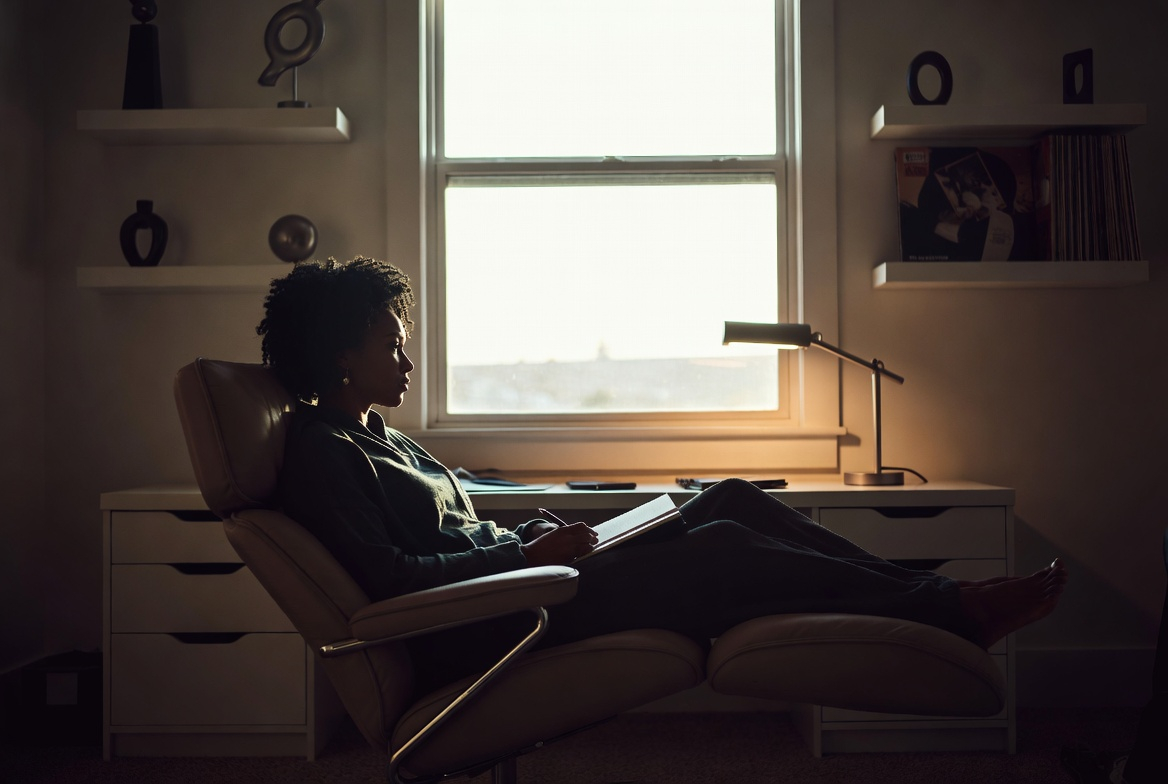
Lighting is the most impactful invisible detail. Overhead, fluorescent light is hostile to relaxation. Layer your lighting with warm-temperature bulbs, varied sources like floor lamps, table lamps, and even candles. This allows you to set a mood that calms the central nervous system. A well-lit home sanctuary is dynamic, not clinical.
Soundscape is another critical factor. Use rugs, heavy curtains, and bookshelves to soften the acoustics and create a quieter interior environment. If you live in a city, a good white noise machine can create an acoustic barrier to the world outside. Fill your home with music, but also cultivate areas specifically for silence.
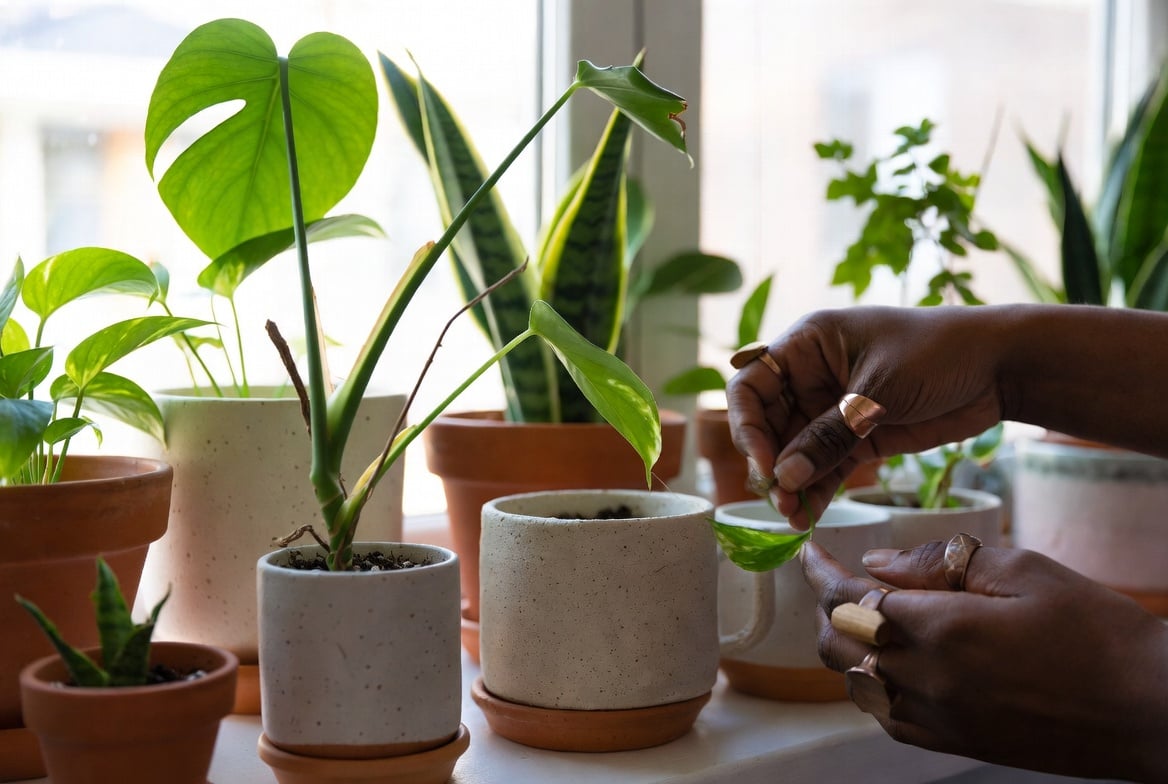
Finally, prioritize greenery. Plant life is literally life-affirming. Studies from institutions like NASA have confirmed the subtle air-purifying and stress-reducing properties of houseplants. From a low-maintenance Snake Plant to a massive Monstera, plants breathe vitality into a room, making it feel alive and cared for.
How can I make my rental feel more like a permanent home and sanctuary?
Even in a rental, temporary changes like a warm-toned peel-and-stick wallpaper, upgrading light fixtures, and leaning into your art collection can radically shift the energy.
What are some affordable ways to incorporate Black art into my decor?
Investing in art is often easier than it seems. Look for affordable, authentic prints from Black creators online, visit local art fairs, or frame historical photos.
How do I maintain a minimalist aesthetic while keeping a space cozy?
Minimalism doesn’t have to be cold. Use warmth-inducing textures like wood or linen, an intentional warm color palette, and curated plants to add life.
Reader’s Favorites:
- Empire-Building From Zero: The Resilience of the Self-Made Black Founder
- How to Fix Prickly Body Hair Without Expensive Laser Clinics
- Beyond the Talk: Nurturing Conscious Kids in an Unfiltered World
- The Black Laugh Is Not Just Funny; It Is Our Fortress
- More Than Just Brunch: Why Reclaiming Our “Third Place” is the Next Wellness Revolution