

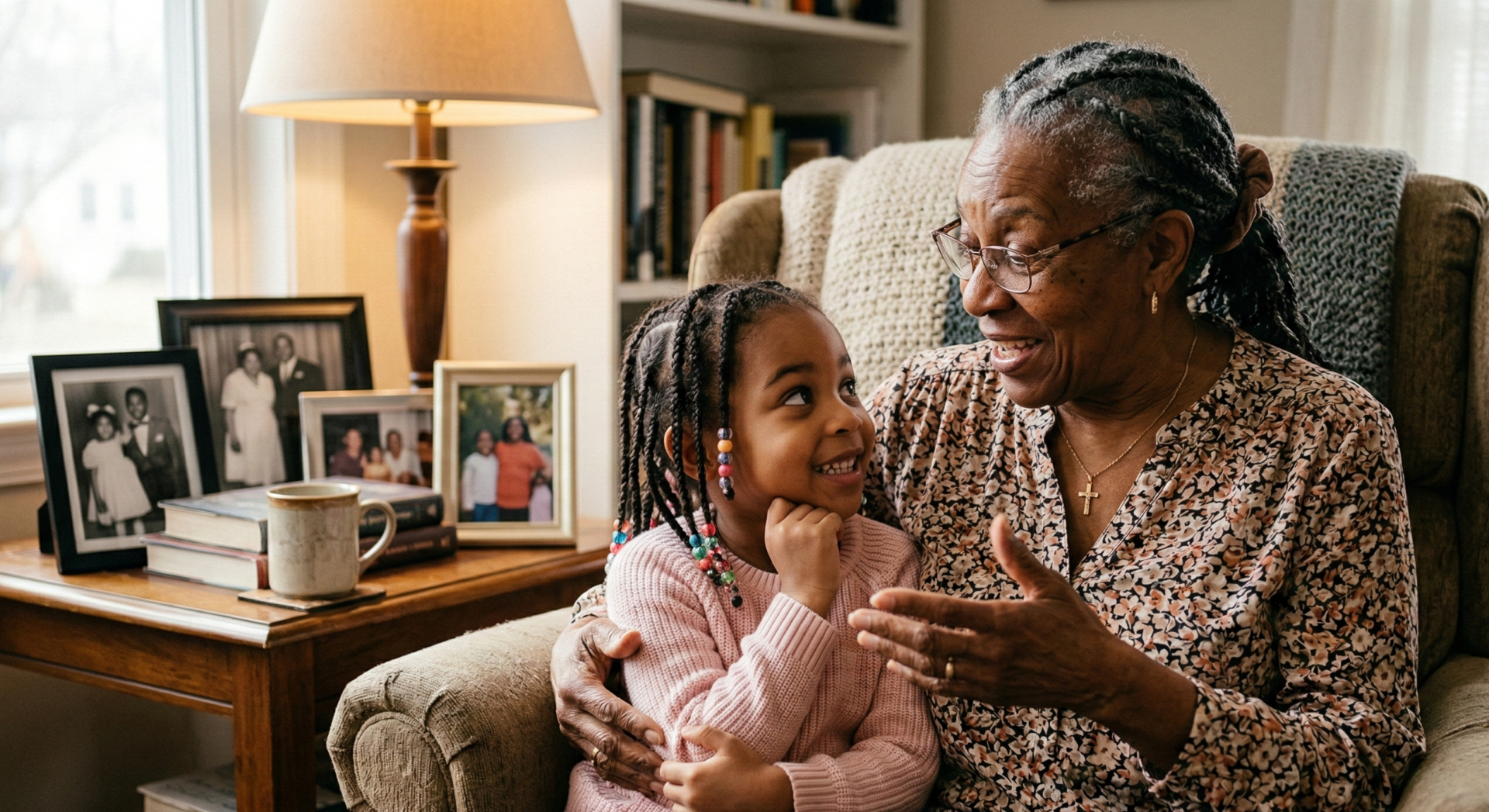
Imagine stepping into a house on a Sunday afternoon. The scent of slow-cooked greens and sweet potato pie wraps around you like a hug. Kids are running through the halls, but the real center of gravity is in the kitchen or that favorite armchair. There she sits or stands, directing the flow without needing to shout. One look from her and order restores itself. She remembers every birthday, every remedy for a scraped knee or a broken heart, and every story that explains who we are as a people. This is the Black grandmother. Her strength does not announce itself with fanfare. It shows up in the quiet decisions that have kept families intact through centuries of challenge. I know my grandmother was the exact same way and I suspect a lot of people will resonate with my story. Some of you my call her “Granny” “Big Mama” “Meemaw”, but the core remains the same. We owe a lot to our Black grandmothers.
In a culture that often spotlights the bold and the viral, we risk overlooking these women who form the bedrock of Black life. Their contributions stretch back to the days of enslavement, where grandmothers cared for children while parents toiled in fields and passed down oral histories that preserved identity and hope. Fast forward through the Great Migration, the Civil Rights movement, and the crack epidemic of the 1980s and 1990s, and you see the same pattern. Black grandmothers stepped in when systems failed.
Today the numbers tell a powerful story. African American children represent about 14 percent of all children in the United States but over 25 percent of those living in grandfamilies, according to Generations United. Overall, around 2.7 million grandparents are raising grandchildren nationwide, with Black grandmothers disproportionately carrying this load. Back in 2000, census data showed more than 500,000 African Americans aged 45 and older raising their grandchildren. Many do this in skipped-generation homes where parents are absent due to work, incarceration, illness, or other struggles. These women often delay or give up retirement, manage health issues of their own, and stretch limited resources with creativity and faith. Nearly one in four grandparent-headed households lives below the poverty line.
Why does this matter right now? Because in an era of economic pressure, housing insecurity, and cultural shifts, their role is more vital than ever. Yet policies and support systems frequently fall short for these caregivers. We agitate the tension every time we celebrate individual success stories without crediting the grandma who provided childcare, wisdom, or that first loan from her savings. This article dives into their world to show how their quiet strength shapes families, businesses, and the very soul of Black culture. By the end, you will see them not just as caregivers but as the architects who built resilience into our DNA.
Roots Deep in History
Black grandmothers have always been more than family elders. During slavery, they created networks of care that allowed communities to survive unimaginable conditions. They told stories of ancestors from Africa, taught survival skills, and instilled dignity in children who the world tried to break. After emancipation, as families scattered during the Great Migration north in the early 1900s, grandmothers often stayed behind or followed to hold everyone together.
In more recent decades, their role intensified. When the crack cocaine epidemic hit Black communities hard in the 1980s and 1990s, grandmothers became the primary parents for thousands of children. Research from that time shows Black grandmothers were more likely than their white counterparts to raise grandchildren without the middle generation present, drawing on extended family networks and formal support when available. They turned pain into purpose, creating stable homes amid chaos.
The Matriarch in the Modern Home
Walk into many Black households today and you will find a grandmother managing the rhythm of daily life. She might be cooking meals that stretch a budget, helping with homework, or offering advice that feels like prophecy. Studies from the 1990s found that 12 percent of African American children lived in a grandparent’s home, compared to just 4 percent of white children. Black grandmothers frequently balance this with their own jobs or health concerns.
Their strength shows in the small things. They know how to turn leftovers into feasts and worries into prayers. They teach discipline mixed with unconditional love. And in grandfamilies, they provide the emotional security that allows grandchildren to thrive despite circumstances.
Keepers of Culture and Wisdom
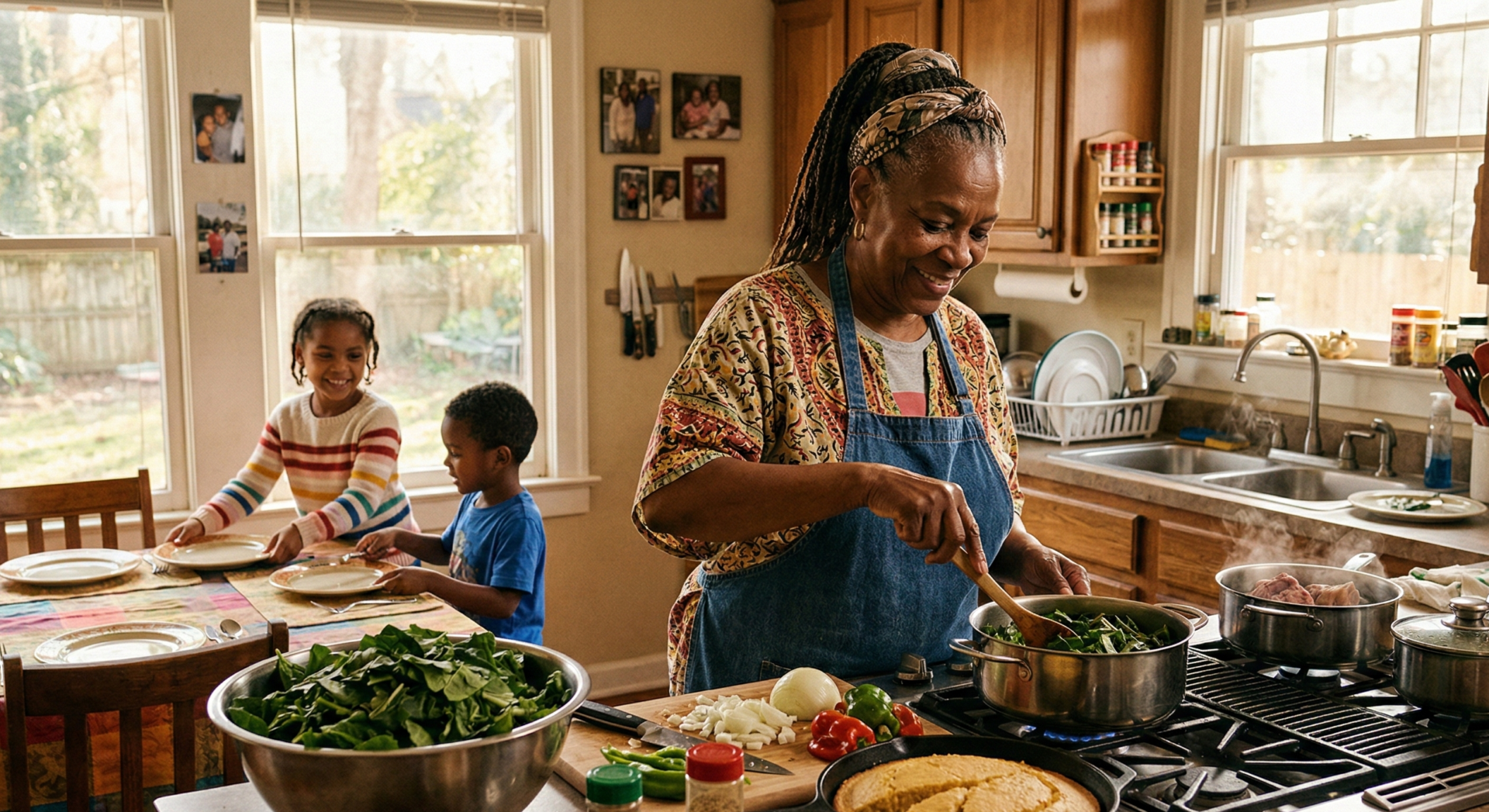
Beyond the practical, Black grandmothers guard our cultural treasures. They pass down recipes that connect us to the South or the Caribbean. They share family histories that textbooks ignore. They model faith and resilience.
Take Oprah Winfrey. Raised for her first six years by her grandmother Hattie Mae in rural Mississippi, Oprah learned to read before age three. Hattie Mae took her to church where young Oprah recited Bible verses and earned the nickname “The Preacher.” That foundation of early education and self-belief helped launch one of the most influential careers in media. Oprah has often credited her grandmother with giving her a positive sense of self amid poverty.
These women teach us to speak up, to remember where we came from, and to carry ourselves with pride.
The Hidden Engine of Black Business and Ambition
Many Black entrepreneurs trace their drive directly to lessons from grandma. She taught the value of hard work, saving every penny, and community investment. Richelieu Dennis of SheaMoisture started with recipes from his grandmother in Liberia, passed through his mother, turning natural shea butter into a global empire.
Rapper Saweetie partners with her grandmother to promote financial literacy among young people of color. Countless others recall grandmothers who ran side hustles, stretched dollars, or simply believed in their potential when no one else did. In a world where generational wealth gaps persist, their intangible gifts of mindset and work ethic create real ladders to success.
Why This Strength Matters Now More Than Ever
As we face new challenges like inflation, health disparities, and the need for cultural preservation in the digital age, Black grandmothers continue to adapt. They navigate technology to stay connected with distant family. They advocate for better support systems. Their quiet strength reminds us that progress is built on the shoulders of those who endure.
We must do better to honor and support them through policy, community programs, and simple recognition.
What Role Do Black Grandmothers Play in Preserving Family History?
They serve as living archives, sharing stories of migration, struggle, and triumph that keep our collective memory alive. Read our piece on “Tracing Black Family Roots: Stories That Connect Generations” for more.
How Can We Better Support Grandparents Raising Grandchildren?
Advocate for expanded kinship care funding, respite programs, and legal aid. Check out our article “Building Stronger Support Networks for Black Families.”
Who Are Iconic Representations of Black Grandmothers in Media?
From the wise elders in films like “The Color Purple” to modern portrayals that capture their depth, they reflect real-life power. Explore “Black Matriarchs on Screen: Beyond Stereotypes” on BFA Collective.
How Does Intergenerational Wisdom Drive Black Success Today?
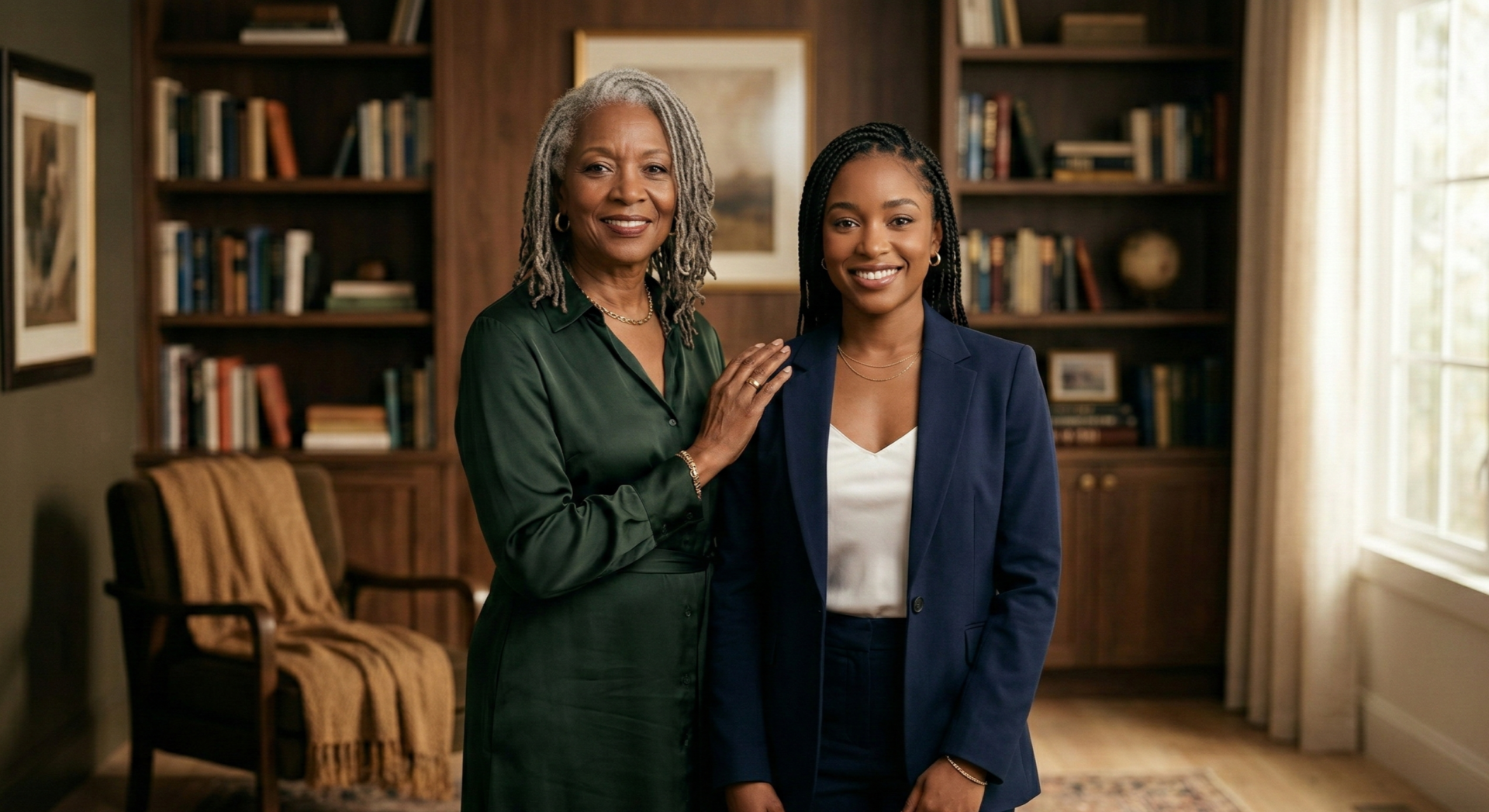
It provides the emotional and practical tools for navigating a complex world. See our deep dive “The Power of Legacy: How Black Families Pass Down Ambition.”
The quiet strength of Black grandmothers is not loud, but it echoes through every achievement in our community. They are the reason we stand taller, dream bigger, and love deeper. In celebrating them, we affirm the values that make Black culture a force of enduring beauty and power. Their legacy demands we pay it forward in how we raise the next generation.
Don’t miss the next deep dive. Join the BFA Collective today.
Reader’s Favorites:
- Empire-Building From Zero: The Resilience of the Self-Made Black Founder
- How to Fix Prickly Body Hair Without Expensive Laser Clinics
- Beyond the Talk: Nurturing Conscious Kids in an Unfiltered World
- The Black Laugh Is Not Just Funny; It Is Our Fortress
- More Than Just Brunch: Why Reclaiming Our “Third Place” is the Next Wellness Revolution