

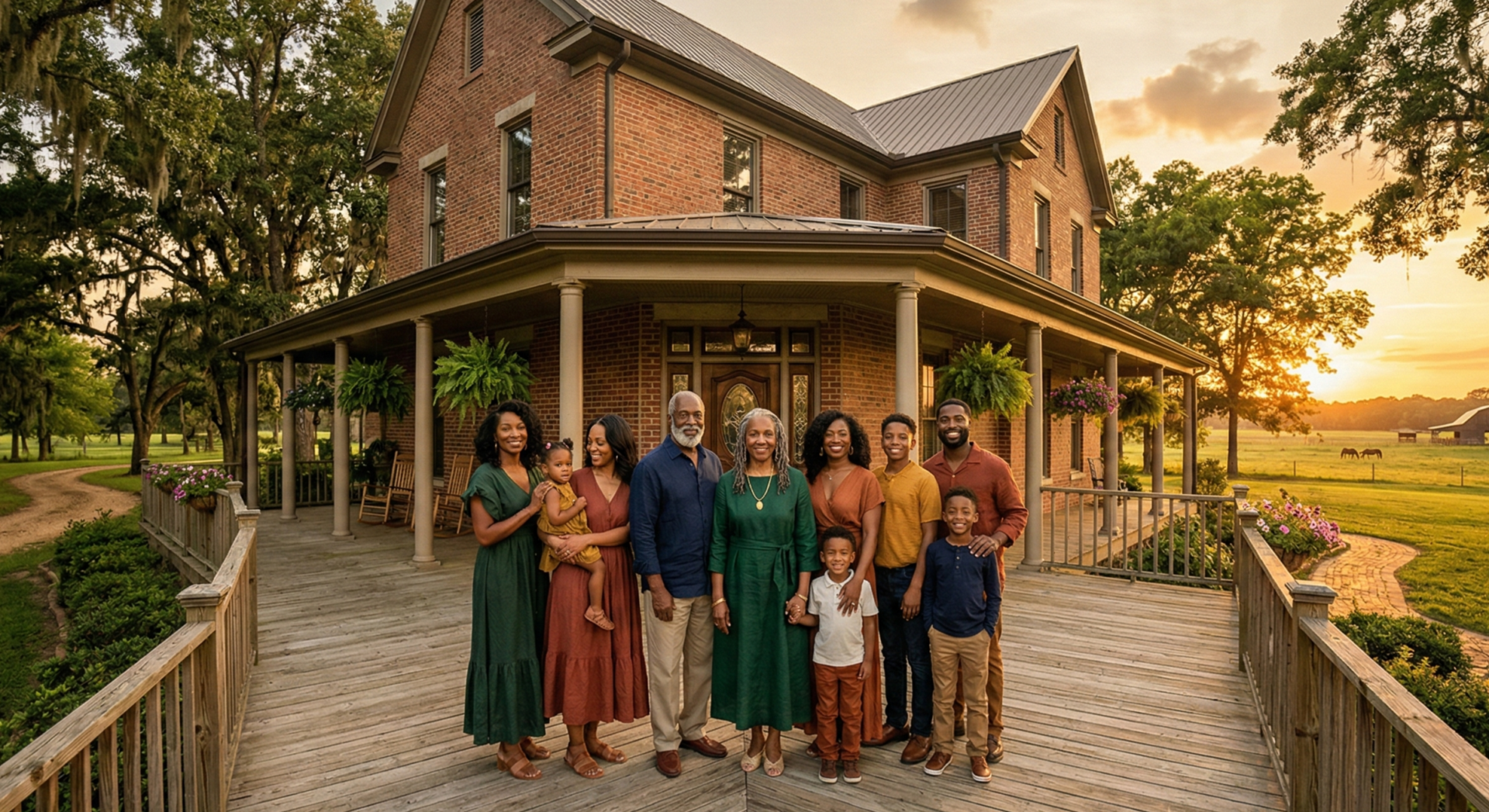
Picture this. Sunday dinner at Grandma’s house. The table is full of collard greens, cornbread, and laughter. But between bites, the elders start talking land. Not the kind you see in movies. The kind they bought with sweat, saved nickels, and sheer refusal to stay renters forever. That is the kind of self determination Black Americans were raised on. Just because we started with less, doesn’t mean we can’t do more with what we have than other people who started out ahead.
That story repeats in kitchens across the country. Because the numbers tell a hard truth: the typical Black household holds about $44,100 in wealth while the typical White household holds $284,000. One-tenth. Yet right alongside that gap sit powerful examples of families who started with nothing and still created something that lasts. They did not wait for a windfall. They planted seeds, built businesses, protected what they earned, and passed knowledge like family recipes.
This is not about luck or rare genius. It is about decisions repeated across generations. Decisions that turned sharecropping wages into owned acres, hand skills into multimillion-dollar contracts, and corner beauty shops into lasting empires. The racial wealth gap did not stop them. It sharpened their focus. And today, their stories show every Black family reading this exactly how to begin. Be proud of the foundation previous generations have laid before you.
Culture, business, and everything in between — delivered straight to you. Join the BFA Collective Newsletter.
The Land That Refused to Leave
In 1944, right in the middle of Jim Crow, Dave Bright Sr. bought 130 acres in Faison, North Carolina. Born in 1910, he had every reason not to believe the system would let him keep it. But he farmed tobacco, sharecropped smartly for both Black and White neighbors, and made sure every member of his family worked the land together. No one had to beg for wages from someone else’s field.
When Dave Bright Sr. passed in 1972, that land stayed. His son Dave Jr. kept the promise made nearly fifty years ago. Today the family still holds it. Not because they started rich. Because they refused to let go.
Land remains the original wealth builder for Black families. It appreciates, it can be farmed or developed, and it can be passed down with clear title if you protect it early. The lesson is simple. Buy what you can when you can. Keep it in the family. Turn it into something bigger.
Skills Turned Into Skyline Empires
Moses McKissack learned masonry while enslaved. That knowledge traveled through bloodlines. In 1905, just forty years after emancipation, his descendants Moses McKissack III and his brother Calvin opened McKissack & McKissack in Nashville. The oldest Black-owned architecture and construction firm in the country.
They started small, building churches and schools for Black communities when White clients would not hire them. Five generations later, Cheryl McKissack Daniel runs the firm. Under her watch they have managed more than $50 billion in projects: the Barclays Center in Brooklyn, the Oculus at Ground Zero, the new JFK terminal, Lincoln Financial Field in Philadelphia.
They did not inherit a trust fund. They inherited blueprints, discipline, and the understanding that excellence has no color. The firm adapted from hand-drawn plans to AI tools, always keeping family at the center. Cheryl says it plain: generational wealth is not just money. It is ownership, knowledge, and values that endure.

Beauty, Banks, and Black Dollars That Circled
Madam C.J. Walker turned a personal struggle with hair loss into an empire in the early 1900s. She trained thousands of Black women as sales agents. Her products reached across the country. When she died in 1919 she left her daughter A’Lelia a fortune worth millions in today’s dollars.
Across town in Richmond, Maggie Lena Walker opened the St. Luke Penny Savings Bank in 1903. She told her community, “Let us have a bank that will take the nickels and turn them into dollars.” That bank survived the Great Depression by merging and became one of the longest-running Black-owned banks in America.
In Tulsa’s Greenwood District before the 1921 massacre, Black dollars circulated nineteen times inside the community before leaving. Groceries, doctors, theaters, hotels, all Black-owned. O.W. Gurley bought forty acres and sold plots to other Black families. They built wealth the old way: keep the money home.
Protecting the Bag: Wills, Insurance, and Real Talk
Too many Black families lose everything when the elder passes because there is no will. Estate planning sounds formal until you watch cousins fight over Grandma’s house. Life insurance is the cheapest way to replace income and pay debts so the next generation starts ahead, not behind.
Families that last talk money at the table. They teach kids to invest early. They open 529 plans, Roth IRAs, and brokerage accounts the moment a child earns their first paycheck. They treat financial literacy like family scripture.
Modern Moves That Still Work
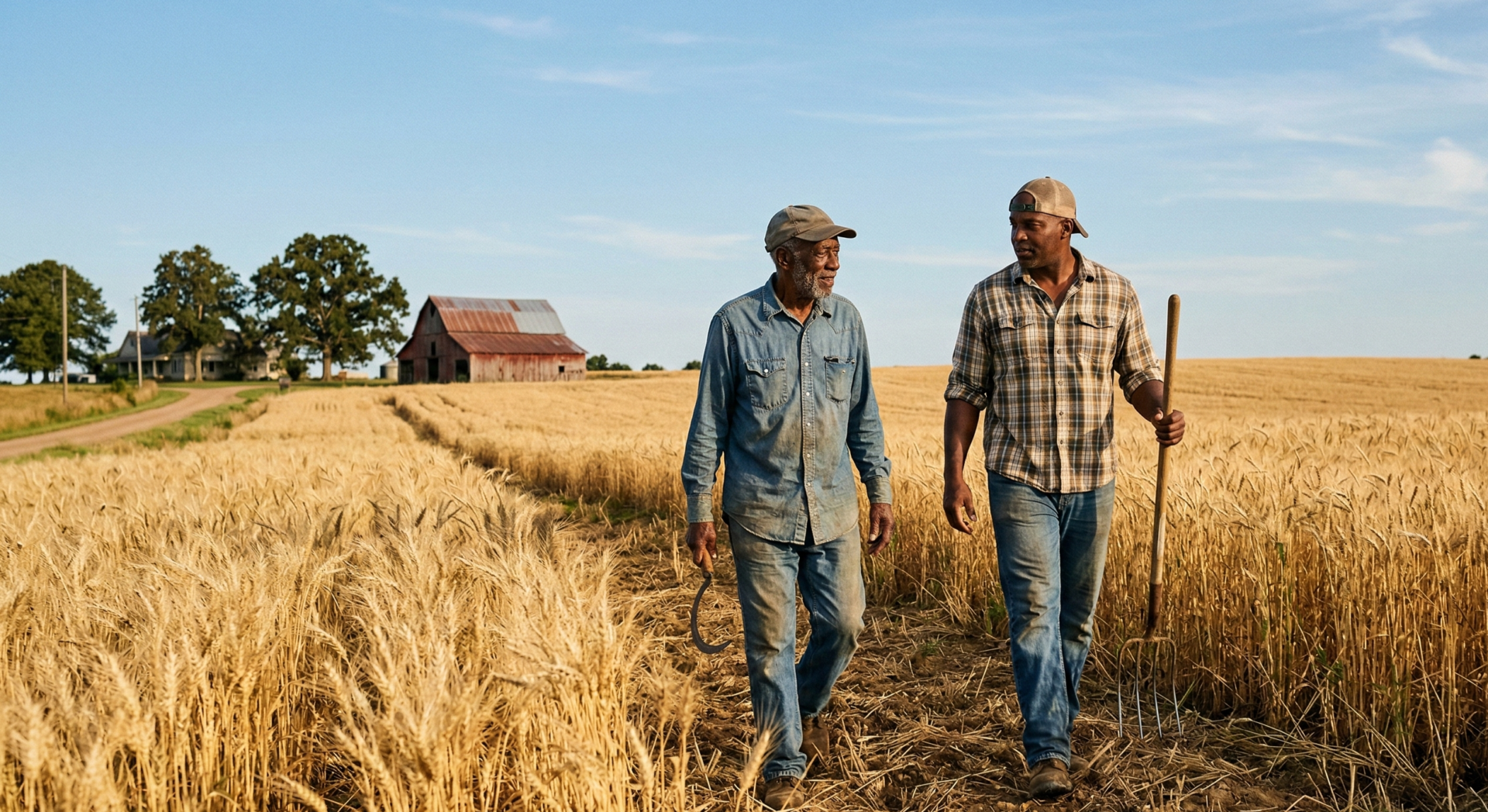
Buy the house. Even if it is small. Home equity drove most of the recent gains in Black wealth. Start the side hustle and turn it into the main hustle. Invest consistently in index funds. The stock market has no gatekeepers once you get in. Document everything. Keep records. Update the will every five years.
None of this requires starting rich. It requires starting.
These families did not erase the wealth gap. They refused to let it erase them. Their stories prove that Black excellence in business, land, and legacy is not new. It is tradition. And every choice you make today writes the next chapter.
Don’t miss the next deep dive. Join the BFA Collective today.
Reader’s Favorites:
- Empire-Building From Zero: The Resilience of the Self-Made Black Founder
- How to Fix Prickly Body Hair Without Expensive Laser Clinics
- Beyond the Talk: Nurturing Conscious Kids in an Unfiltered World
- The Black Laugh Is Not Just Funny; It Is Our Fortress
- More Than Just Brunch: Why Reclaiming Our “Third Place” is the Next Wellness Revolution